Dogs bring endless joy and shower unconditional love into our lives. They are often jolly, playful and fun to be around. The sad part is that they can develop various behavioral problems that can be challenging to manage. Sometimes their unusual conduct indicates a serious health condition.
As a responsible dog parent, it is essential to educate yourself on the possible causes of dog behavior problems so that you can address them before it is too late.
Continue reading to understand some of the most common behavioral issues that dogs face, along with a list of proactive steps you can take to ensure the vitality and longevity of your furry companions.
Understanding Common Dog Behavioral Issues
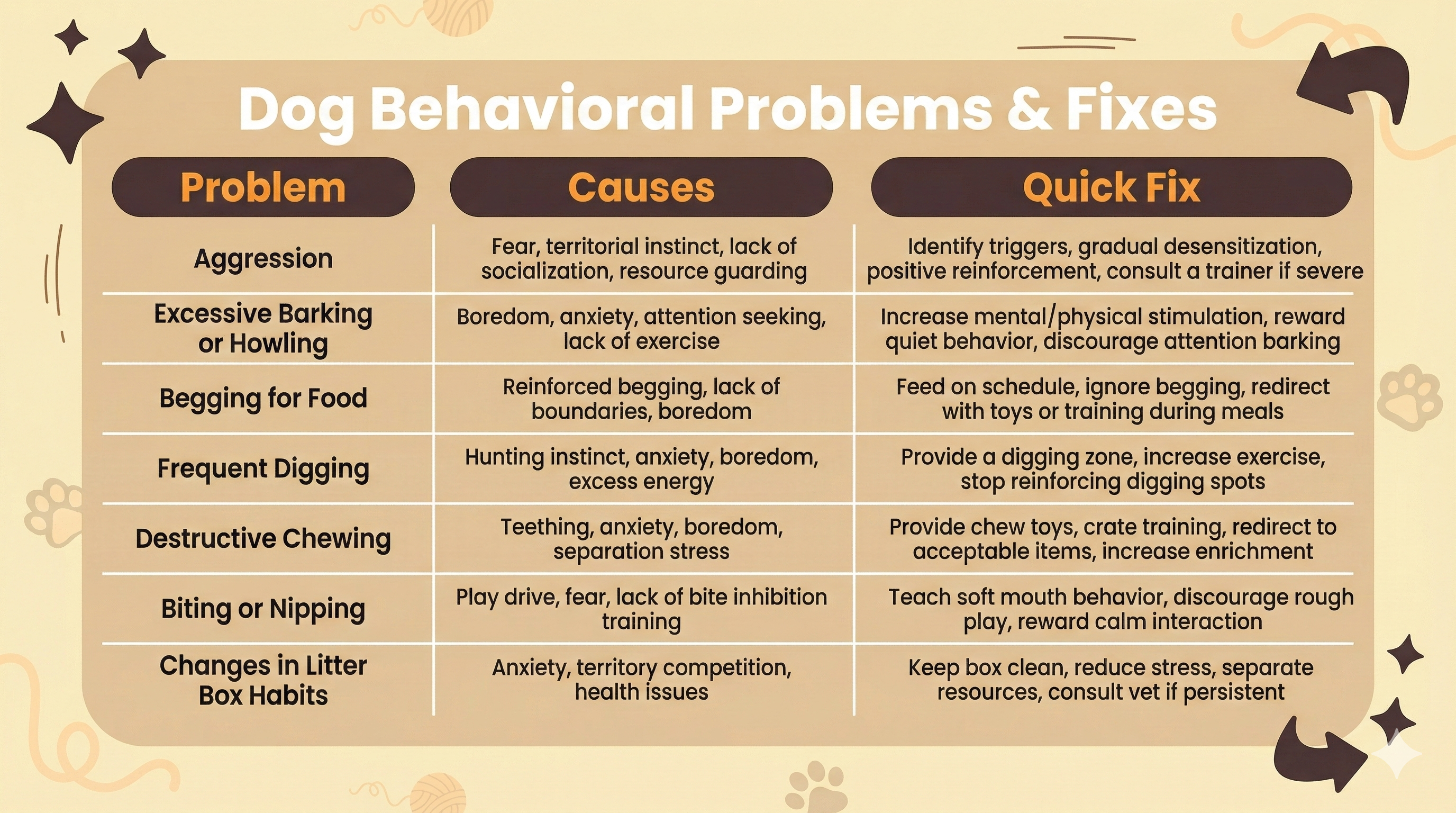
Below is a quick overview of the most common dog behavioral problems, their typical causes, and the fastest recommended fixes to help improve your dog’s behavior.
1. Aggression
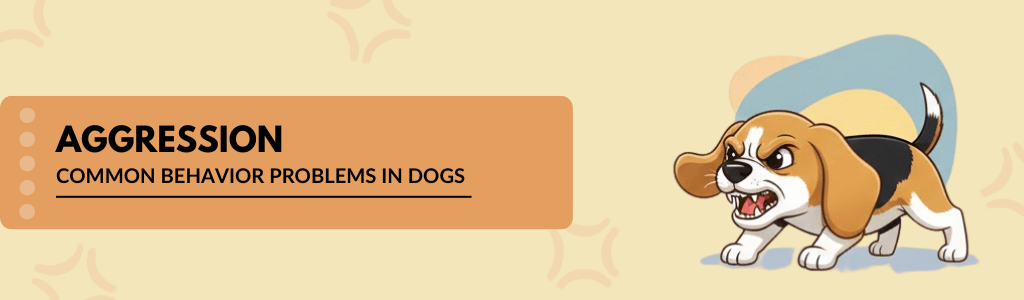
Aggression is one of the most common yet serious dog behaviors that stems from a multitude of reasons. It is often accompanied by growling, staring, guttural barks, teeth baring, lunging, etc. It is important to understand the underlying causes so that you can take proactive steps on time and tackle the problem.
Causes of Aggression in Dogs:
- Fear of being trapped or concerned
- Self-defense
- Pain or injury
- Possessiveness (food, toys or even people)
- Protection from other people or animals
- Territorial aggression (when someone tries to enter their area)
- Predatory issues
Solutions to Fix Aggression:
- Identify the triggers
- Offer proper training
- Spay or neuter the dog
- Seek professional help
- Consult the veterinarian
2. Excessive Barking or Howling
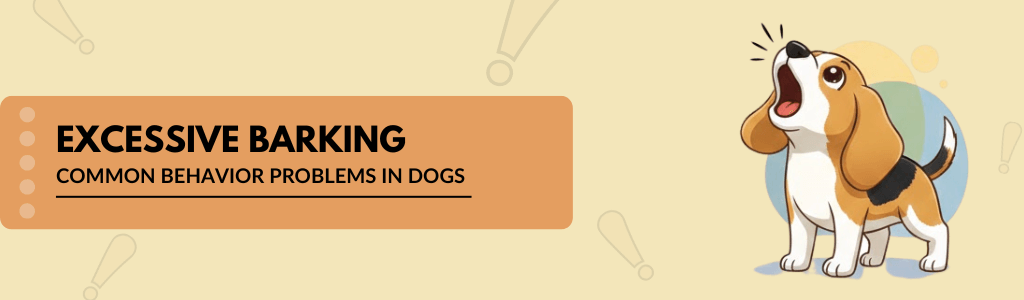
Excessive barking or howling is a way dogs often use to vocalize their feelings or seek attention. However, excessive barking or howling could indicate a serious behavioral problem that can be annoying to you and your neighbors as well. Keep an eye on your dog’s barking pattern and try to find out the root cause to resolve it effectively.
Causes of Excessive Barking:
- Boredom or excitement
- Anxiety or stress
- Fear
- Attention-seeking
- Greeting someone unknown
- Frustration
- Territorial instincts
Solutions to Fix Excessive Barking:
- Rule out the triggers
- Incorporate regular exercise
- Offer mental stimulation
- Provide consistent training
- Seek professional help
3. Begging for Food
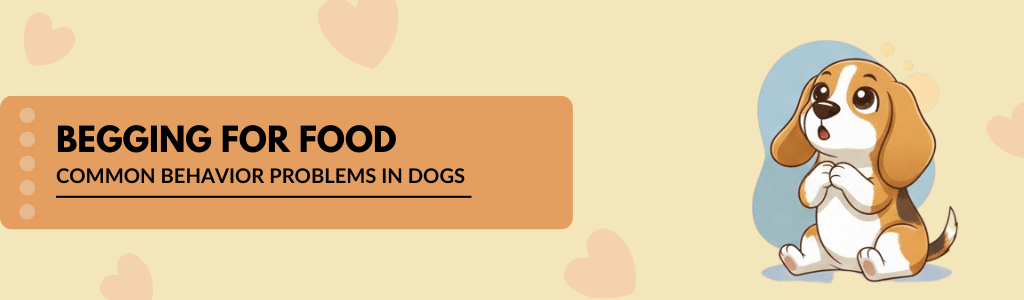
Begging for food with those puppy eyes is a common dog behavior to get tasty treats or table scraps from their human parents. However, it can become embarrassing as well as frustrating for pet parents, especially around guests. Make sure to keep your dog’s tummy full and mind occupied to prevent begging.
Causes of Begging:
- Hunger
- Boredom
- Anxiety
- Poor manners
- Unhealthy eating habits
- Digestive issues
- Dietary changes
Solutions to Stop Begging:
- Fix meal timings
- Reward calm behavior
- Teach basic commands (sit, leave it, eat)
- Provide crate training
- Keep them away or ignore them while you eat
4. Frequent Digging
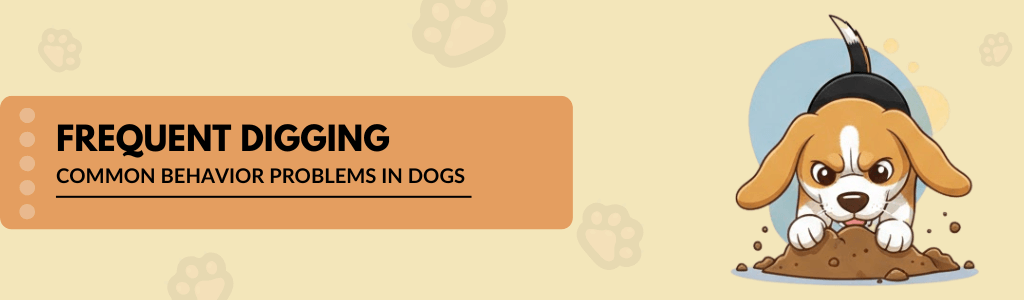
Almost all dogs are into digging. They do this due to a variety of natural and instinctive reasons, such as hunting, searching of hidden scents or creating a comfortable resting spot. Understanding the specific cause of your canine’s digging can help redirect the behavior.
Causes of Digging:
- Excess energy
- Loneliness
- Curiosity
- Boredom
- Stress or anxiety
- To escape extreme heat or cold
- Separation anxiety
Solutions to Prevent Digging:
- Ensure regular physical activity
- Keep them occupied
- Offer interactive toys
- Make a designated digging space in the yard
- Provide plenty of water (in the summers)
5. Destructive Chewing
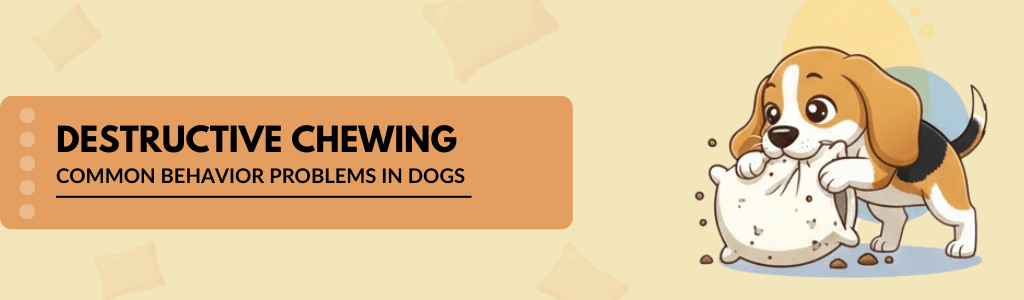
Chewing is a natural activity for all dogs. It has multiple health benefits, but only until they start targeting shoes, furniture or other household items. Destructive chewing can become problematic for pet parents; so, educate yourself on the reasons behind your dog’s chewing behavior to address the issue and ensure a happy, well-behaved pet.
Causes of Destructive Chewing:
- To relieve stress
- Teeth discomfort
- Boredom
- Separation anxiety
- Lack of physical activity
- Natural hunting instinct
- Anxiety
Solutions to Stop Destructive Chewing:
- Maintain everyday playtime
- Offer chew toys
- Provide consistent training
- Teach basic commands like “no”
- Reward obedient behavior
6. Nipping & Biting

Nipping and biting are instinctive dog behaviors. Puppies nip to navigate the outer world and often as part of their social learning while adult dogs usually bite due to various reasons, including pain, fear, discomfort, etc. But excessive nipping or biting indicates a behavioral problem that needs to be addressed.
Causes of Biting / Nipping:
- Dental issues
- Overstimulation
- Curiosity
- Attention-seeking
- Exploration
- Frustration or aggression
- Playful mood
Solutions to Correct Biting:
- Proper training
- Early socialization
- Avoid encouraging biting or nipping
- Identify and rule out the triggers
- Keep them mentally occupied
7. Changes in Litter Box Habits
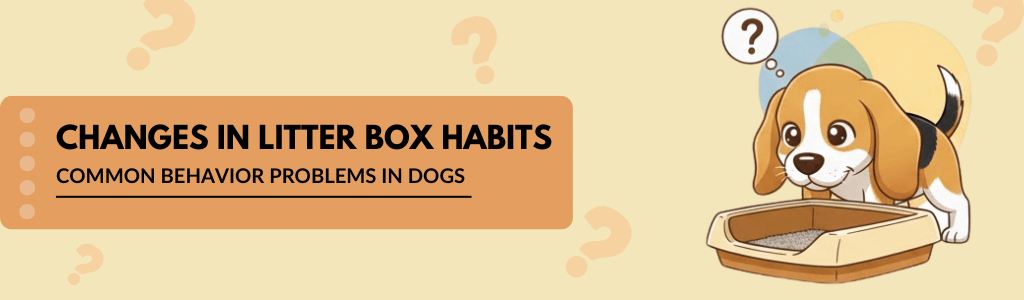
Changes in litter box habits indicate health issues as well as problems with the litter box. If your canine shows sudden reluctance to use the litter box followed by frequent accidents, keep an eye on their patterns to determine the underlying cause.
Causes of Litter Box Changes:
- Urinary tract infections
- Digestive problems
- Kidney disease
- Hormonal imbalances
- Separation anxiety
- Stress or anxiety
- Joint-related issues
Solutions to Improve Litter Box Habits:
- Provide a designated litter spot
- Ensure proper supervision
- Clean accidents properly
- Do not punish your dog
- Give proper litter training
Manage Behavioral Problems in Your Dog Effectively
Managing behavioral problems in dogs can be challenging, but with a little effort, the right approach and lots of patience, it can become an easy-peasy process for you. However, every dog is unique and has a different learning pace, so small steps every day can make a big difference. Start by working on identifying the root cause of each problem so that you can guide your dog towards better habits and a calmer temperament. Whether you’re a new dog parent or an experienced one, take notes from this blog. This will help you build a stronger, happier and harmonious relationship with your furry friend.