Cats are revered for their resilience and independence, but like all animals, they also face a variety of health challenges. To ensure optimal health for your feline friend, it’s crucial to understand the common diseases they encounter, from pesky parasites to chronic conditions.
In this informative blog, we’ll walk you through the common health issues in cats while covering the symptoms to watch for. We’ll also discuss the practical measures you can take to manage or prevent these issues, offering the comfort and quality of life your cat deserves.
Let’s dive right in!
7 Common Diseases in Cats
In this segment, we’ll discuss the most common diseases cats face.
1. Flea and Tick Infections
Fleas and ticks are the most common nuisances cats encounter on a day-to-day basis. These parasites are dangerous, for they can cause discomfort, infections, and transmit deadly diseases.
Symptoms:
- Excessive itching
- Scratching
- Redness on the skin
- Visible fleas or ticks in the fur coat
- Lethargy
- Lack of appetite
- Hair loss
- Pale gums
What can you do:
- Check your cat’s skin for parasites
- Note the signs depicted by your cat and convey them to the vet
- Limit their exposure to parasites
- Administer vet-recommended flea and tick treatment
[Also Read] 10 Common Mistakes Pet Parents Make with Flea and Tick Prevention
2. Gastrointestinal Issues
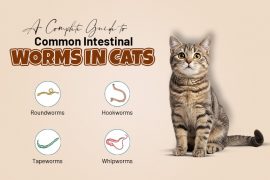
There is a range of tummy troubles, including diarrhea, constipation, hairballs, and worms, that cats experience. Common types of worms including roundworms, hookworms, and tapeworms, can cause severe infections. Sometimes, cats swallow things like toys, which can cause intestinal obstructions and blockages.
Symptoms:
- Abdominal pain
- Weight loss
- Lethargy
- Vomiting
- Diarrhea or constipation
- Dehydration
What can you do:
- Take your cat to the vet to find out what’s wrong
- Use a vet-approved dewormer if needed
- Ensure proper hydration
- Feed a balanced, easily digestible diet
[Also Read] Everything You Need To Know About Deworming Your Cat
3. Heartworm Disease
Heartworm disease is a potentially dangerous condition caused by worms that live in the heart, lungs, and blood vessels. Transmitted by the bite of an infected mosquito, heartworms can lead to several health issues, including respiratory problems, organ failure, and, at worst, sudden death.
Symptoms:
- Coughing
- Asthma-like attacks
- Vomiting
- Difficulty in breathing
- Lethargy
- Lack of appetite
- Fainting
- Seizures
What can you do:
- Take your cat to the vet for proper diagnosis and treatment
- Administer vet-approved heartworm prevention treatment year-round
- Start heartworm prevention as early as 6-8 weeks of age
4. Vomiting
Vomiting in cats is a common issue that can be caused by a variety of factors, including hairballs, eating non-food substances, toxins, blockages, underlying health conditions, etc. While occasional vomiting may not be a serious concern, frequent or severe episodes should be addressed promptly.
Symptoms:
- Frequent vomiting
- Presence of hairballs
- Undigested food in vomit
- Dehydration
- Lethargy
- Weight loss
- Loss of appetite
What can you do:
- Note the frequency and content of vomit
- Make sure to keep them well hydrated
- Feed smaller, more frequent meals
- Take the cat to the vet if needed
5. Arthritis
Osteoarthritis is a degenerative disease most commonly observed in older cats in which the cartilage of a cat’s joints breaks over time, affecting mobility and overall quality of life. Younger cats can also suffer from this condition due to an injury or genetic factors.
Symptoms:
- Stiffness
- Joint pain
- Difficulty in walking
- Less grooming
- Reluctant to jump
- Slowing down
- Swollen joints
What can you do:
- Maintain a healthy weight
- Provide soft, warm bedding
- Provide ramps to access higher spots
- Administer vet-recommended joint supplements
- Monitor the condition with regular vet consultations
[Also Read] Vet Tips To Care Your Cat Having Arthritis
6. Dental Diseases
Dental problems are very common in cats and can manifest at any age. If left untreated, it can lead to serious issues, including gingivitis, tooth decay, and periodontal disease. These issues can also lead to the development of anorexia, causing other health issues related to weight loss.
Symptoms:
- Bad breath
- Drooling
- Difficulty eating
- Red, swollen, or bleeding gums
- Tartar and plaque buildup
- Pawing at the mouth
- Weight loss
What can you do:
- Schedule regular dental check-ups
- Regularly brush your cat’s teeth with vet-approved toothpaste
- Provide dental treats and toys
- Feed a diet that supports oral health
7. Eye Problems
Eye issues in cats can range from mild irritation to serious infections or injuries. Some common causes include allergies, conjunctivitis, trauma, or underlying diseases.
Symptoms:
- Red or swollen eyes
- Tearing or discharge
- Excessive squinting or blinking
- Cloudiness
- Pawing at the eyes
- Sensitivity to light
What can you do:
- Visit the vet for proper diagnosis and treatment
- Administer vet-approved eye drops or ointment
- Avoid exposure to irritants
- Keep the eye area clean and dry
The Bottom Line
At the end of the day, maintaining your cat’s health is a lifelong commitment, and being aware of common diseases is the first step toward proactive care. From parasites and digestive issues to worms and dental issues, proactive care and early detection can make all the difference. So stay informed and attentive to provide your cat with the help they need at the right time. Good luck!