Ticks are troublesome for dogs and dog parents. They feed on your dog’s blood, cause itching and scratching, and transmit a number of deadly diseases, including Lyme disease. If left untreated, Lyme disease can cause many other health issues. Therefore, it is important to recognize the symptoms of Lyme disease for prompt and timely treatment. In this comprehensive guide, we will discuss what Lyme disease in dogs is, how it is transmitted, the stages, signs, and more.
What is Lyme Disease in Dogs?
Lyme disease is also referred to as Lyme borreliosis. It is a bacterial illness transmitted by certain species of infected ticks and can be transmitted to humans, dogs, and other animals. It is considered as the most common tick-borne infection in the U.S. and Europe.
At first, many dogs show no obvious symptoms, while others may become very sick. If not treated on time, it can lead to further serious health complications.
How is Lyme Disease Transmitted?
Lyme disease is caused by the bacterium Borrelia burgdorferi, which lives inside a specific type of tick called a black-legged tick or deer tick. Your dog can usually pick up these ticks from anywhere, like parks, grooming centers, backyards, or even from other pets. The infected ticks attach to your dog’s skin, and it takes at least 24-48 hours for them to transmit the bacteria that cause Lyme disease.
Therefore, it is always recommended to check your dog for ticks after coming back from a walk in a wooded area or after a park visit. Even if your dog doesn’t go out much, you should follow a practice of performing regular tick checks.
[Also Read] How To Observe National Lyme Disease Awareness Month?
How Common Are Lyme Disease Ticks in the U.S.?
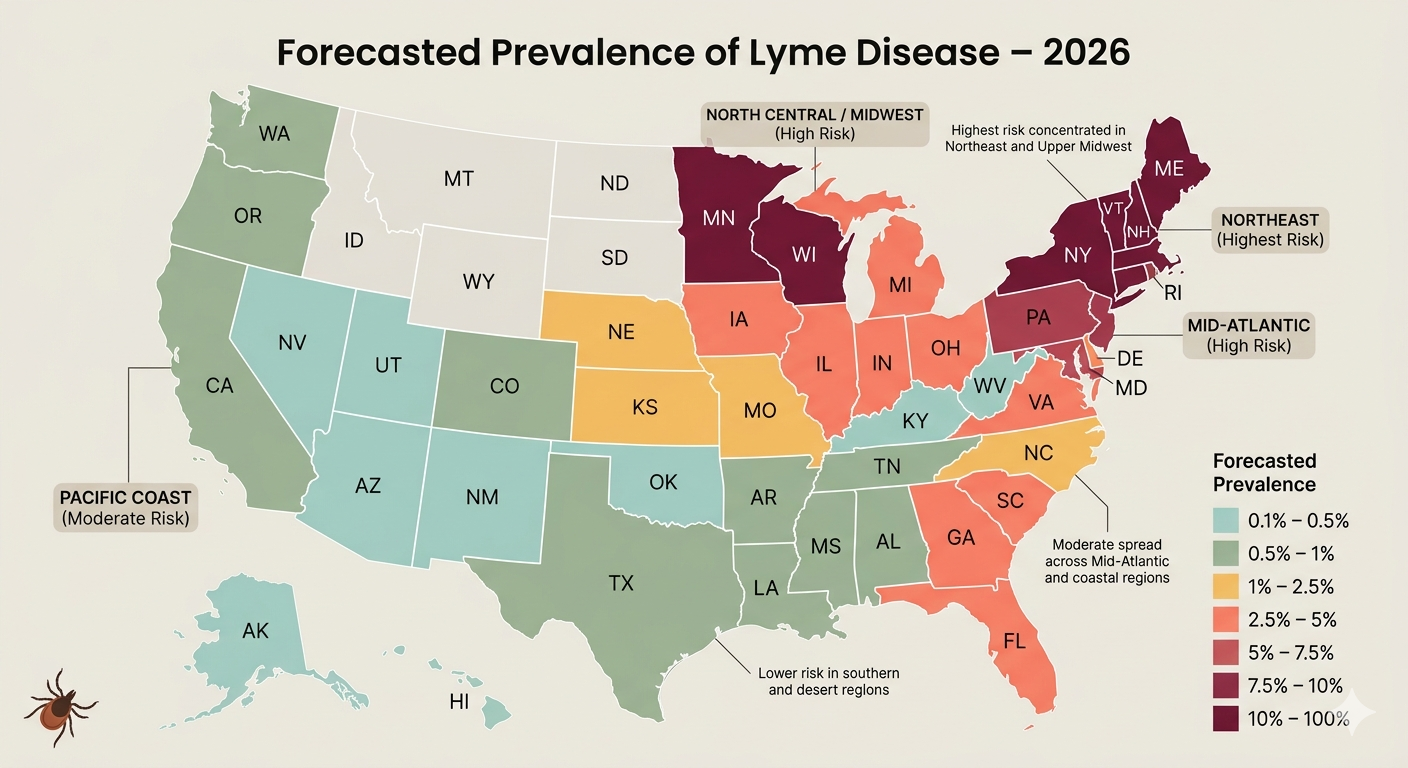
Black-legged ticks that carry Borrelia bacteria can be found across many parts of the U.S., with higher activity during warmer months. But there are certain geographical areas, including the Northeast, Mid-Atlantic, North Central United States, and Pacific Coast, where the infection rates of ticks can be as high as 50%.
The disease is actually named after the town of Lyme, Connecticut, in the northeastern region of the U.S., where the outbreak was first described due to dense deer population. However, geography is no longer a reliable way to rule out Lyme disease risk in dogs, as many people are traveling with their dogs today. Currently, 39 U.S. states report high or moderate prevalence of canine Lyme disease. Dogs at increased risk of Lyme disease include:
- Active dogs that walk or hike in the woods
- Dogs that play in fields
- Dogs that spend time in the backyard
What are the Symptoms of Lyme disease in Dogs?
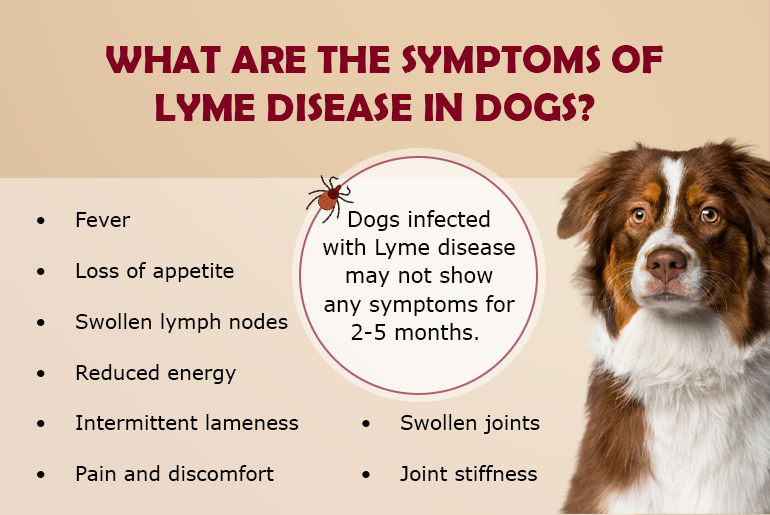
Tick infestations in dogs may lead to symptoms like skin reactions, scratching, licking, chewing, etc. If your dog is infected with Lyme disease, it will display additional symptoms like,
- Fever
- Loss of appetite
- Swollen lymph nodes
- Reduced energy
- Intermittent lameness
- Swollen joints
- Pain and discomfort
- Joint stiffness
It is important to note that the symptoms of Lyme disease are not apparent early on in most cases, and it can take up to a few months for the infected dog to show the symptoms. In fact, 7-10% of dogs may not even show any signs of the infection at all. This is why regular vet visits play an important role in maintaining your dog’s health and wellbeing.
[Also Read] Detailed Guide About Common Clinical Symptom Of Lyme Disease In Dogs
Stages and Signs of Lyme disease in Dogs
Canine Lyme disease is generally categorized into three broad stages: the infection and its effects. These three stages are based on the progress of infection and the presence of symptoms that may appear in weeks or even months later.
Stage 1: Early Localized Infection (Days to Weeks Post-Tick Bite)
In this initial stage, infected ticks transmit the Borrelia burgdorferi bacteria at the bite site. It may begin to spread into the dog’s bloodstream shortly after the attachment. The bacteria are still localized in the attached area in the initial stage. Most infections during the early stage go unnoticed, and it is notoriously difficult to detect Lyme disease at this point.
Stage 2: Early Disseminated Infection (Weeks to Months Post-Tick Bite)
During this acute stage, bacteria will begin to make their way around your dog’s body through the bloodstream. While some dogs may remain asymptomatic, this is the stage where more noticeable clinical signs of Lyme disease may start showing. Such as:
- Sudden limping (may shift between legs)
- Pain and swelling in the joints
- Fever
- Lethargy
- Loss of appetite
Some dogs may even seem to recover from limping, only for it to return days later in a different leg. This pattern is a key red flag of Lyme disease infection.
Stage 3: Late Persistent Infection (Months to Years Post-Tick Bite)
If left untreated, Lyme disease infection progresses to the late persistent infection. More chronic and potentially debilitating symptoms characterize this stage. You may notice,
- Persistent joint pain and inflammation
- Kidney inflammation (Lyme nephritis)
- In rare cases, heart and neurological issues
It is important to note that some dogs may remain asymptomatic throughout the Lyme infection, while others may develop severe symptoms. In this condition, pet parents don’t connect the later symptoms to a tick bite that happened months ago. This is the reason why regular vet visits play an important role in maintaining your dog’s health and well-being.
What is the Treatment for Lyme disease in Dogs?
Any delays in treatment only worsen the condition, so if Lyme disease is detected, it requires prompt veterinary attention. It is generally treated with a course of antibiotics like doxycycline, which is given to dogs for at least 30 days. Dogs are expected to respond well to antibiotics within 24-48 hours, especially in the early stages of the disease.
Symptomatic treatment involves painkillers to manage joint swelling or discomfort, nutritional support to boost energy levels, and immunosuppressant treatments to manage other health conditions.
However, in advanced cases, particularly when the kidneys, heart, or nerves are affected, dogs may need hospitalization for long-term management. Supportive care, including intravenous (IV) fluids and treatments to support organ functions is also provided.
Lyme Disease vs. Other Tick-Borne Diseases
There are dozens of different types of ticks. Not all of them spread Lyme disease, but each tick is capable of transmit different types of illnesses called tick-borne diseases. This illness is caused by ticks that transmit pathogens like bacteria or viruses when they feed on the dog’s blood. Here are some of the most common tick-borne diseases in dogs:
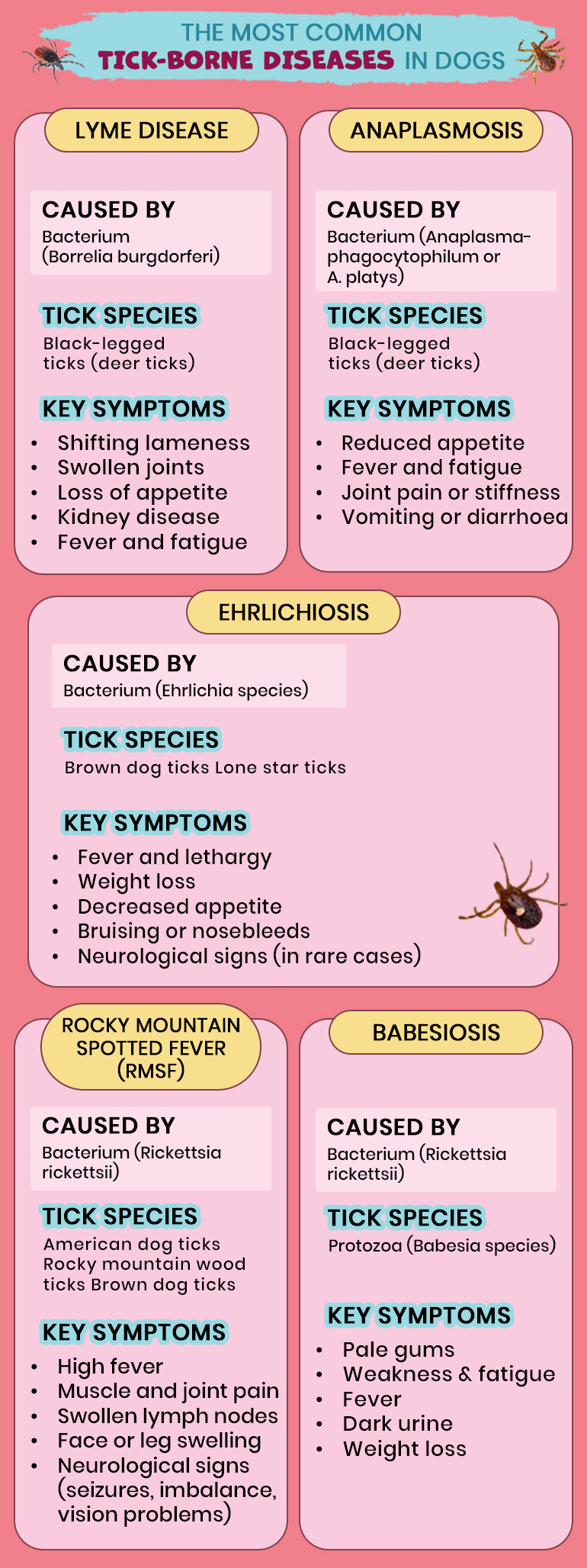
As shown in the table above, you can see that many tick-borne diseases have similar symptoms. Early diagnosis and proper treatment by a veterinarian is always the best decision to protect your dog against ticks.
How to Prevent Lyme disease in Dogs?
Prevention of canine Lyme disease is simple; take active steps to prevent Lyme disease-causing ticks in dogs. Here are some of the major points that will help you prevent this infection:
- Avoid visiting tick-infested areas, especially during peak tick season.
- Keep your backyard lawn trimmed and use tick control solutions.
- Inspect your dog daily for the presence of ticks.
- If you spot any ticks, remove them immediately.
- Use a tick removal tool or tweezers to remove ticks.
- Ask your veterinarian to conduct thorough tick checks.
- Use an effective flea and tick treatment/preventive for your dog.
- In some regions, Lyme vaccination may be recommended by your veterinarian.
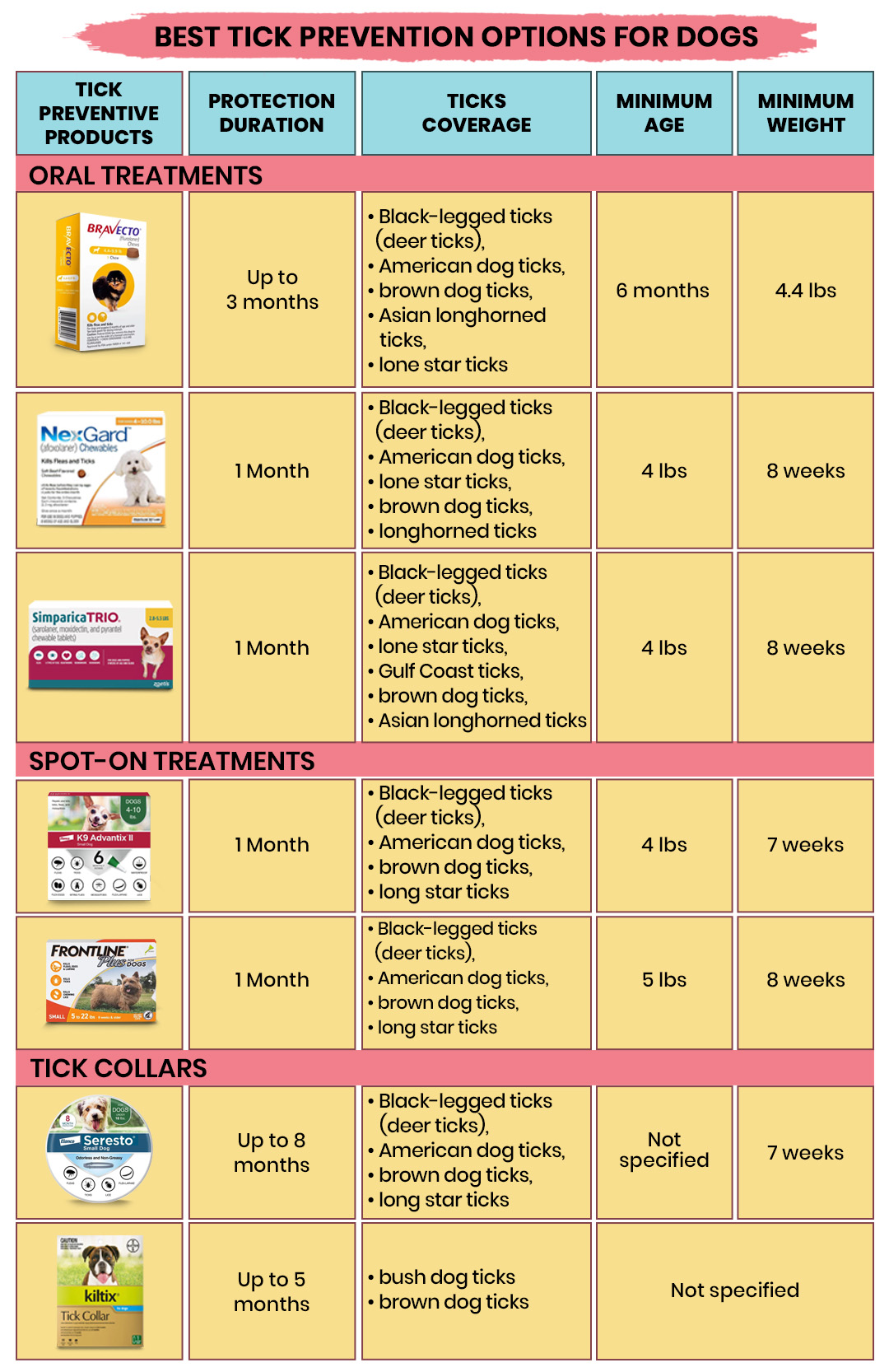
Best Tick Prevention Options
One of the effective ways to prevent tick-borne disease is by using tick treatments and preventives for your dog. Here are some of the best tick prevention options for dogs, you can check:
Final Thoughts
That’s all of canine Lyme disease. Just keep in mind to regularly groom your dog; it’s one of the easiest ways to find ticks. And most importantly, don’t miss your dog’s regular vet check-ups. It helps detect any health complications and eventually takes care of things before they worsen. You can purchase reliable tick preventives and treatments from CanadaPetCare at affordable rates. Always talk to your veterinarian about any further help you may need for your dog’s protection.